
Finding the right entrance to a Bangkok home starts with a more precise destination than the project name. For a viewing, you need to know where to arrive, which gate to approach and where somebody will meet you. Working through those details also reveals something about everyday access, particularly when a home sits along a side street or inside a larger development.
Ask for the entrance, then name the meeting point
Before setting off, ask the agent to mark the entrance for your appointment on a map. Add a second label for the meeting point, which might be reception, a particular lobby or the gate of a house within a residential development. If there are several buildings, request the building name or number as well as the project name. Keep the property reference beside these details so that directions for two viewings cannot get mixed up.
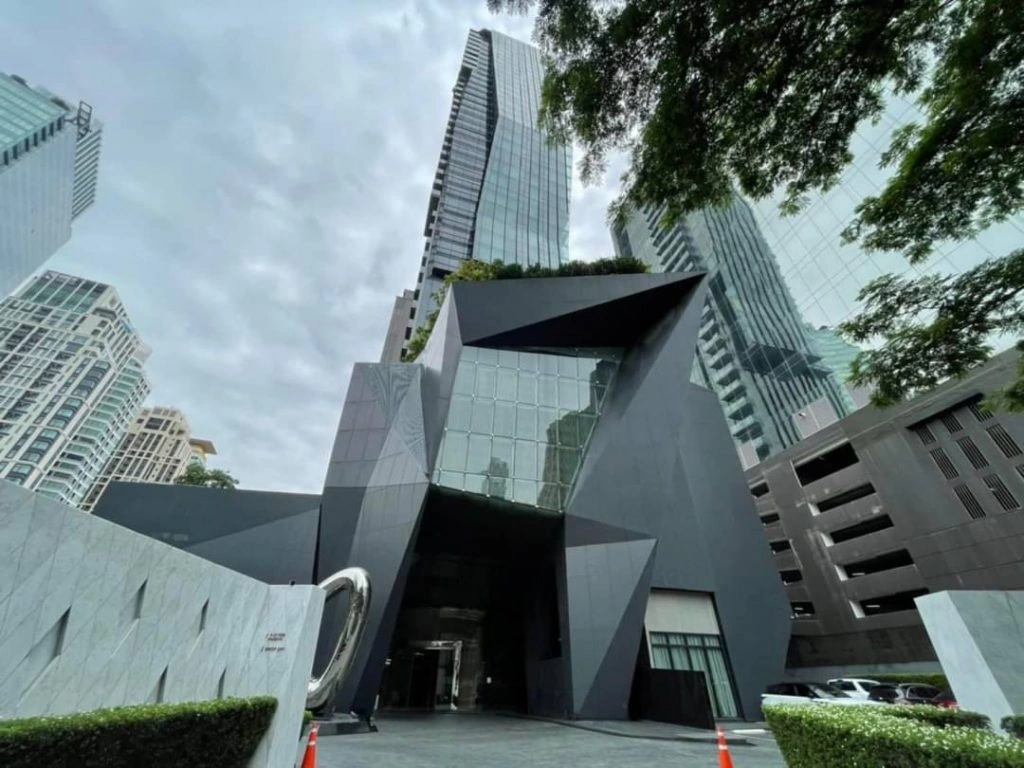
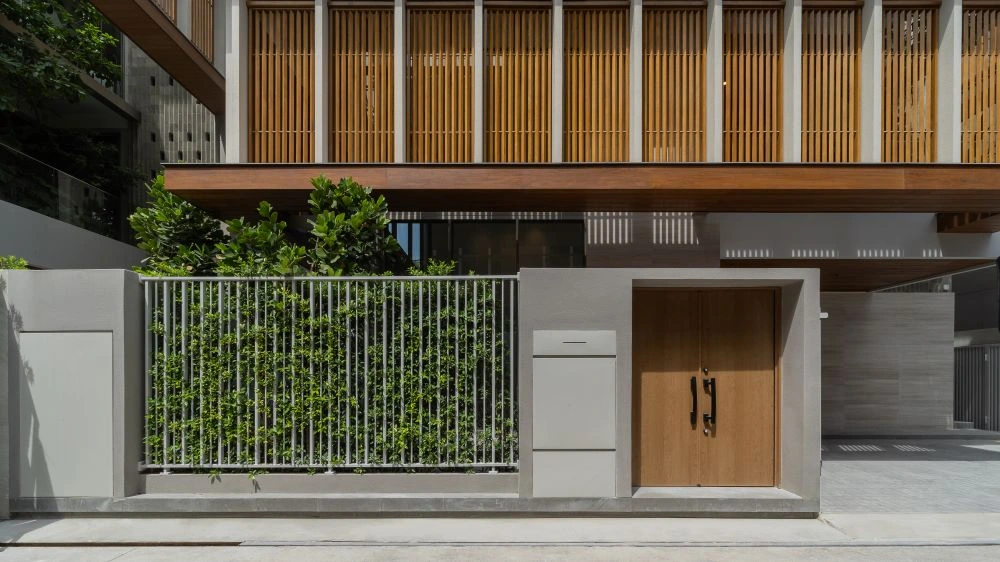
A street-facing photograph can help you recognise the opening. Ask for a view that includes the sign, gate and something beside it. An image looking up at a tower may be memorable while leaving you unsure where to turn. Confirm whether you should wait at the boundary or enter through reception. That answer also helps you judge how visiting friends would find you after a move.
Put the station exit on the same map
If you plan to walk from the BTS, mark where you will reach street level. Check the operator’s Area Map alongside its Service and Facilities information. If you need a lift, establish the exit and facilities that fit your needs, then trace the route from that point to the agreed gate. The station marker alone leaves this part of the journey unresolved. Consult the official BTS route and station resources.
Keep the street names visible on your saved map. Circle the place where you turn into the side street and mark any crossing along the way. “Turn left” becomes ambiguous when somebody arrives from the opposite direction. A direction that starts with a named exit, identifies the road and ends at a particular gate is easier to check together. If a crossing or a change of pavement looks unclear, ask for clarification before relying on that approach.
For comparing this walk with the rest of your week, use our Bangkok neighbourhood guide. Here, the aim is to resolve the last turns for one specific home.
Check what a tempting shortcut depends on
A route through another building, a shopping complex or an open courtyard deserves an extra question. Who can use it, and at what hours? Ask the person responsible for that space. If it closes before you normally come home, draw the route you would take around it and see where that leaves you. Keep a proposed shortcut marked as a question until its access is confirmed.
There is a reason to examine the connections closely. Kyoto University researchers studying the areas around Sukhumvit station in Bangkok and Namba in Osaka constructed networks of pedestrian paths, checked map data against imagery and verified links during field visits. Their 2021 paper explains how a road network can miss the routes available on foot. The fieldwork dates to 2019, so use the distinction when reading your own current map. See their study of dedicated pedestrian networks.
At the viewing, check the particular connection you were uncertain about. Can you identify the entrance to the passage? Where does it emerge? Is there a sign or gate that changes the instructions? If the proposed route proves unsuitable, record an alternative and assess whether you would be willing to use it regularly.
Give the driver a separate arrival instruction
Ask which vehicle entrance serves the appointment and where a driver may stop to let you out. Put that location in the journey request and keep the project name alongside it. If the agent supplies the name and address in Thai, retain that wording for the driver. A photograph of the gate can help resolve a final uncertainty without trying to describe the whole development from memory.
Confirm the approach with the person arranging your visit. A road connection shown on a map may lead you past the pedestrian door while the vehicle entrance lies further along. When approaching by car, follow the current signs and the driver’s judgement about permitted turns. Ask where to wait if the entrance is missed. Avoid building your arrival plan around an assumed stopping place beside a busy gate.
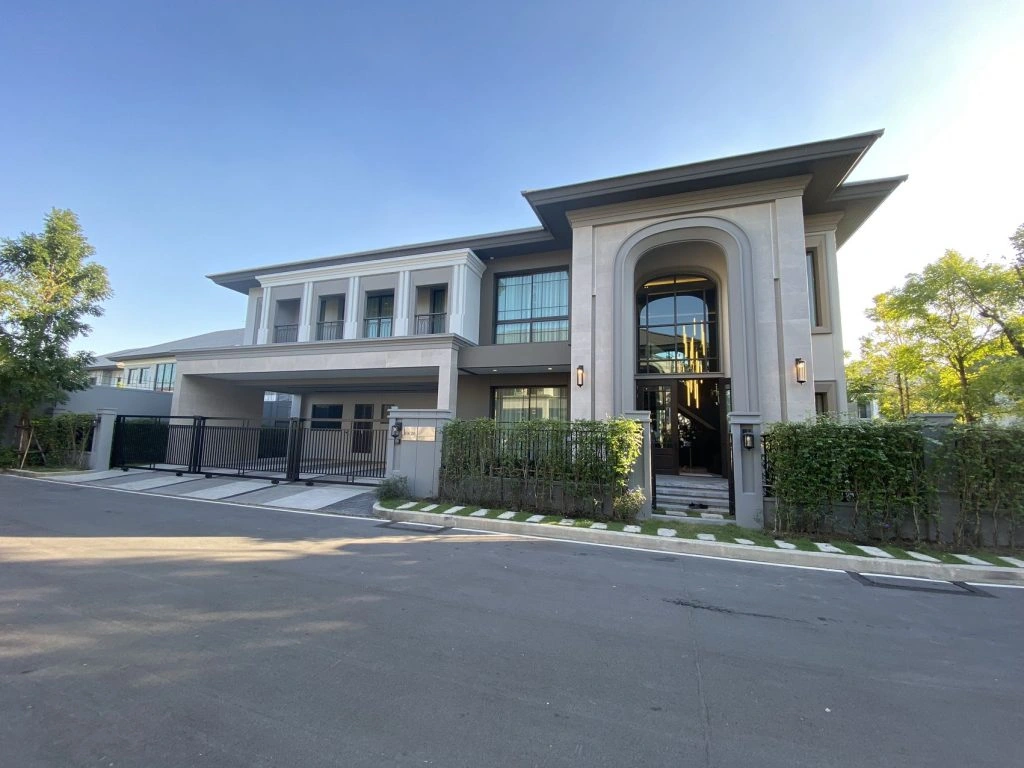
If two people are coming separately, agree the same meeting point inside the property. One might reach a pedestrian gate while the other arrives at a drop-off. Giving both the lobby or house reference prevents an exchange of “I’m outside” messages from different places.
Compare the viewing arrival with coming home
Once you meet your host, ask which parts of the arrival would work differently for a resident. During an appointment, somebody may be waiting to open a gate or guide you between buildings. Ask what you would do independently, including the entrance used after normal reception hours. If step-free access matters, follow the full proposed route with your host and identify any point that needs further clarification.
Also ask where a guest or delivery driver would be directed. Keep the answers specific to the entrance and the type of arrival. This turns an easy, escorted viewing into useful questions about living there.
Before leaving, save a short arrival note with the property reference, starting exit or junction, pedestrian gate, vehicle drop-off and agreed meeting point. Date it and flag anything still unconfirmed. Take the condo viewing checklist for the apartment itself. As you explore the Teenee Property collection, request entrance directions for your shortlisted homes so each appointment begins at an agreed place.