
Bangkok condo furniture delivery needs a route check before an order becomes a moving-day problem. A sofa may fit its intended wall while the package cannot negotiate the lift lobby. Work from the supplier’s delivery dimensions through the building to the final room, then have the delivery team review the uncertain points. This guide explains what to record and which confirmations to obtain.
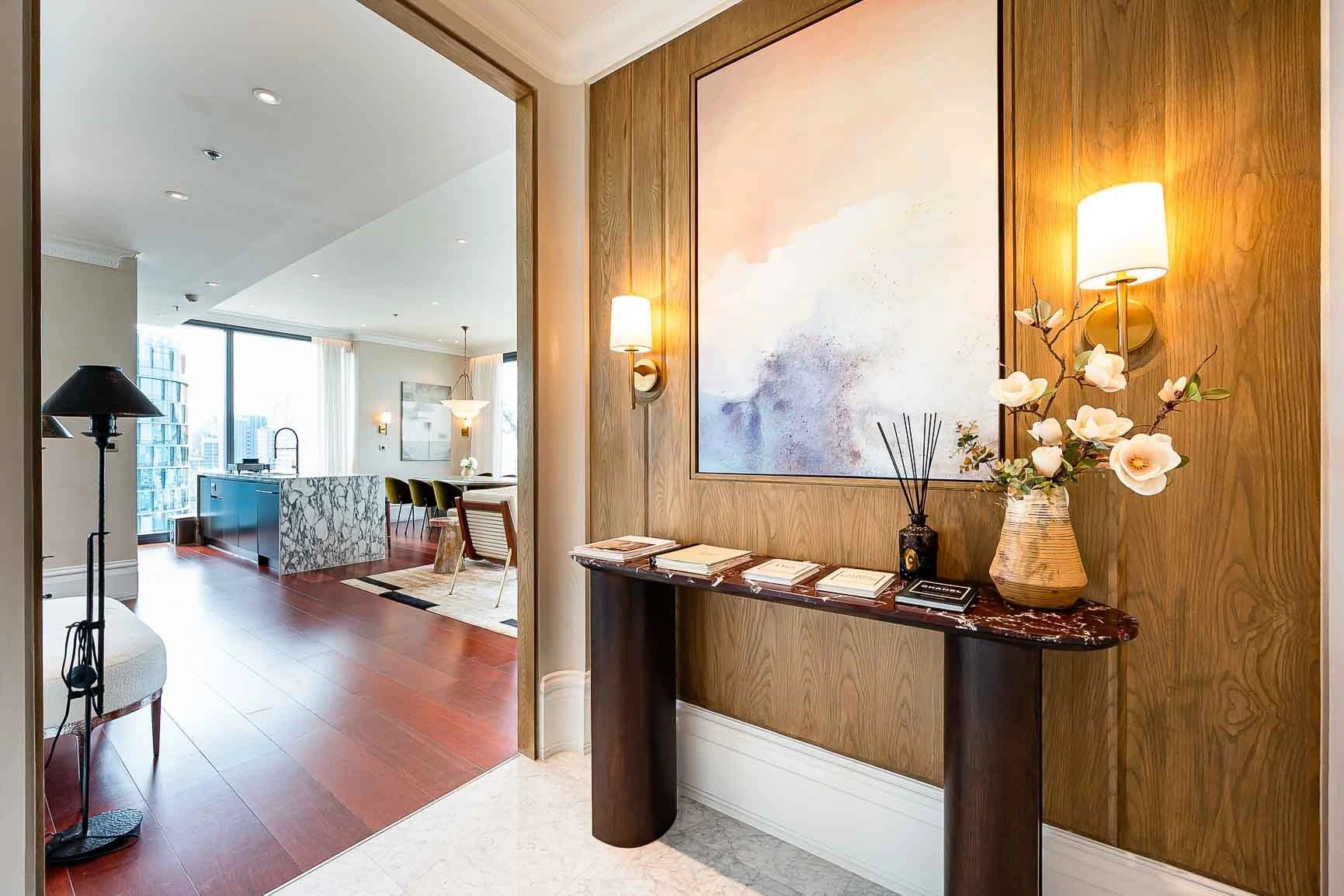
Start with the item as it will arrive
Ask the supplier for the length, width, height and weight of every package, with the exact product reference. Establish whether the item travels assembled, in sections or flat-packed. Include protective packaging in the dimensions. For furniture you already own, ask the mover how it will be packed and which parts their team can legitimately dismantle and reassemble.
Keep the assembled dimensions beside this delivery record. They answer different questions. Our Bangkok condo floor-plan guide helps test the furniture’s position and everyday circulation once inside. If you are still deciding what needs moving, first check the inventory using our furnished and unfurnished condo guide.
For example, imagine a cabinet listed as 180 × 40 × 80 cm assembled. The supplier confirms two cartons, measuring 190 × 55 × 15 cm and 90 × 50 × 20 cm. These are hypothetical dimensions. The long carton becomes a specific route question even though the finished cabinet fits the wall. Record both cartons; checking only the assembled depth would miss that question.
Follow one continuous route from the vehicle
Ask management which unloading point and entrance the delivery must use. Walk the permitted route with an authorised representative where access is available. Number its stages: unloading area, building entrance, lift approach, lift, floor lobby, corridor, apartment entrance and final room. Mark any steps or changes of level between them.
At each stage, record the narrowest clear opening and relevant overhead clearance. For the lift, distinguish the door opening from the usable cabin width, depth and height. Ask management for the permitted load and confirm the delivery team will assess the combined load and handling requirements. A generous lobby tells you little about the next opening.
Attach a photograph to each numbered stage, with permission. Show the approach and the space beyond a doorway, rather than a close-up of its frame alone. Keep measurements labelled in one unit, and identify estimates separately from dimensions someone has checked.
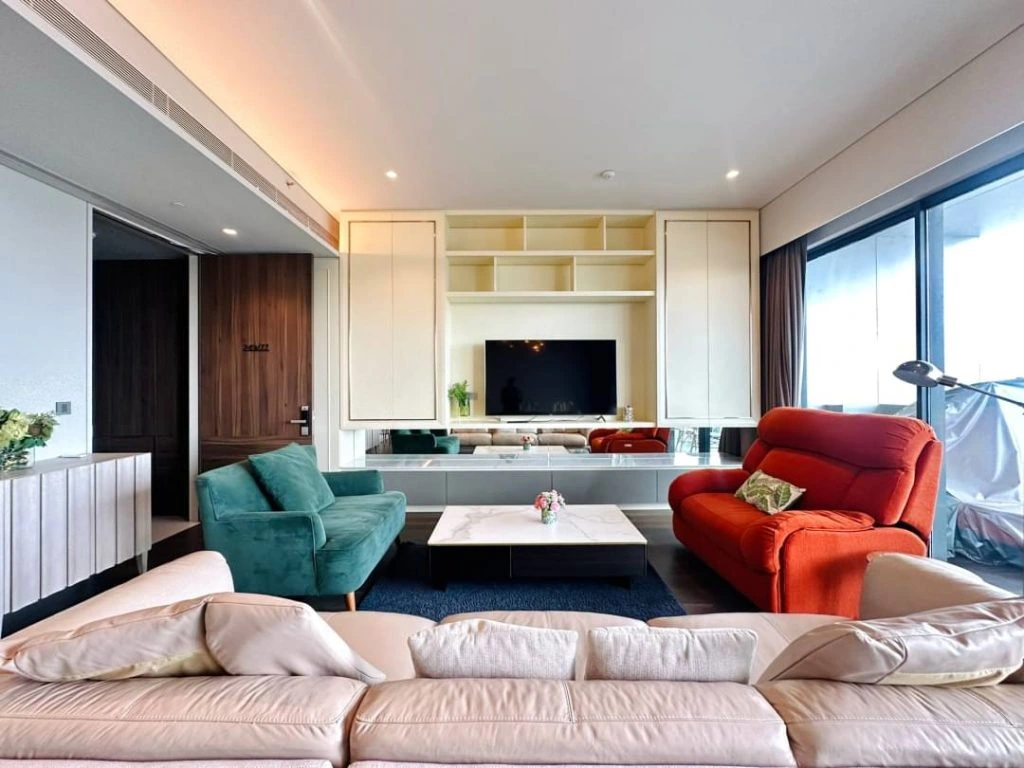
Give corners as much attention as doorways
A long package needs space to change direction. Record where a corridor turns immediately after a door, where a wall faces the lift exit, and where fixed cabinets or columns interrupt the route. An open door leaf, handle or projecting fitting can reduce the space actually available.
West Elm’s delivery-measurement guide highlights entry and lift dimensions, clearance on both sides of openings, turns and obstructions. Its delivery services concern the United States; the relevant lesson here is the measurement method, not a promise about delivery in Thailand.
Send these observations to the delivery team with the package list. Ask them to identify any point requiring an access assessment. A single doorway width or a diagonal calculation cannot establish the whole journey. Leave decisions about orientation, equipment and handling to the people responsible for the move. Do not plan around removing building fixtures or improvising another route.
Get building access and supplier scope confirmed
IKEA Thailand’s delivery guidance asks customers to arrange necessary condominium entry permissions, disclose access restrictions and provide a safe, clear route to the chosen room. This is one supplier’s guidance. Your building and delivery provider must confirm their own arrangements.
Ask management about booking the permitted lift, protecting shared surfaces, submitting delivery details and the contact who can resolve an access problem. Confirm whether the proposed unloading location is allowed for the actual vehicle. Keep the building’s response with the route record and pass it to the supplier before finalising the delivery.
Ask the supplier where its service ends, whether assembly and packaging removal are included, and what happens if the approved route proves unsuitable. A building booking does not establish that a package fits; a supplier’s delivery booking does not establish permission to use a particular entrance.
Turn the unanswered points into a booking decision
Use a short record for each difficult point: location, measured dimensions, photograph number, relevant package and person responsible for the answer. For the hypothetical cabinet, a useful question is: “Can carton one pass from the lift through the photographed turn, using the measured clearances?” Attach the supplier’s dimensions rather than asking whether a cabinet generally fits.
Request a written response identifying the route and any conditions. If the team needs an on-site assessment, ask whether it can arrange one before purchase. If suitability remains unresolved, compare an alternative product or packaging format. Avoid treating silence as confirmation.
While comparing homes, take these access questions alongside the condo viewing checklist. They are particularly useful when an essential item must come with you.
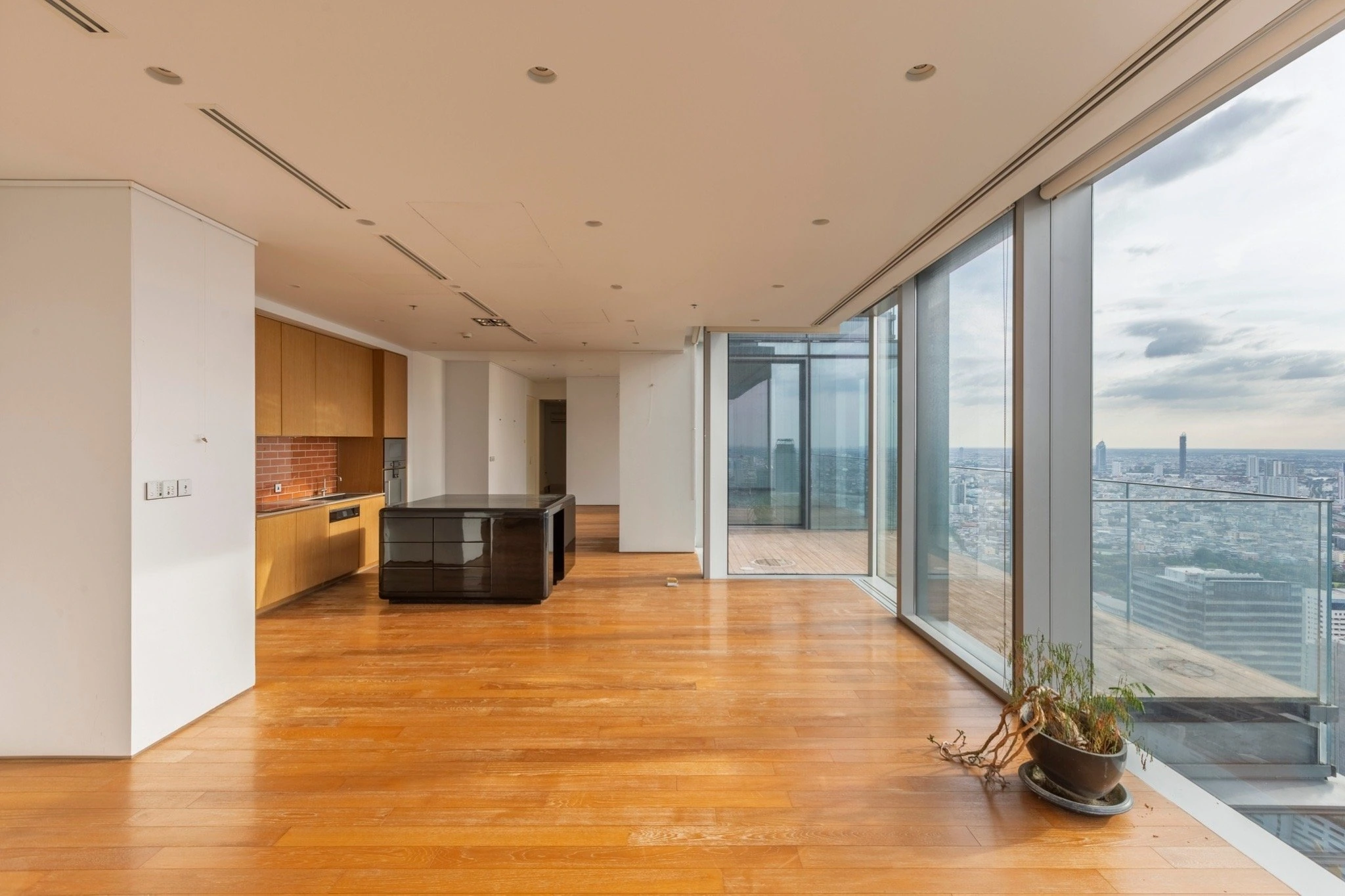
Prepare the receiving space as well as the route
Once the route is agreed, identify where packages can be set down and assembled without obstructing shared access. Arrange a receiver who has the order details, building contact and agreed instructions. Check that any owner’s furniture occupying the intended space has an agreed destination.
Before dispatch, reconfirm unresolved access details with the supplier and management. On arrival, compare the packages with the order and record visible damage through the supplier’s stated process. Browse the Teenee Property collection, then request a viewing with your essential furniture list. The useful outcome is a home that accommodates both your daily life and a delivery route the responsible parties have assessed.