
Choosing a Bangkok neighbourhood becomes easier when you start with an ordinary week. An impressive address or river view may attract you, but the useful questions are more personal: how you reach work, collect groceries, meet friends and get home when plans change. Before comparing individual condominiums, build a shortlist around the journeys and places your household will actually use. This guide offers a practical way to compare locations without assuming that one district suits everyone.
Map your week before choosing an address
Write down the places you expect to visit regularly, using exact entrances where possible. Include the office, school campus, supermarket, gym and any family commitments. Separate fixed destinations from preferences. A workplace you must reach every morning deserves a different weight from a restaurant you might visit occasionally.
Next, record who makes each journey and how. One person may use rail while another needs a car or a route suitable for a pushchair. A location that works for the main commuter can still create awkward daily trips for someone else. Our overview of Bangkok neighbourhoods introduces different settings; use your weekly list to decide which deserve a closer look.
Compare complete journeys, including the station exit
For rail journeys, start with the operators' current information. The official BTS route planner provides route and fare planning, travel-time information and station-area resources. BEM's MRT station information includes entrance and exit details and facilities. These tools help you identify what to investigate before visiting a property.
Then test the whole route: apartment door, building entrance, pavement, crossing, station entrance, interchange and final walk. Keep a rail estimate separate from the time you observe for the complete journey. Note waiting and walking as well as time on board. If step-free access matters, check the relevant entrance and facilities rather than assuming every exit provides the same route.
Make the comparison at a time relevant to your schedule, without treating one trial as a guarantee. For driving, test the approach and return direction, including the actual garage entrance. Record the day, time and conditions alongside your observations so that you can judge how representative they were.
Check the street you would use every day
Walk from the building to the places you expect to reach on foot. Look at crossings, pavement continuity, shade and the stretches where you would be exposed to rain. Consider the same route with shopping bags or accompanying a child. A pin close to a destination can conceal a less convenient entrance or an indirect pedestrian approach.
Check more than the main road. Ask which pedestrian gates residents can use and whether their hours differ. If a building shuttle influences your decision, request its current timetable, stops, booking arrangements and any charges. Treat an advertised service as something to verify for that building. Do the same for any boat connection you expect to use: establish the actual pier, operator and current service information.
Before the appointment, use our guide to finding the right entrance to a Bangkok home to mark the pedestrian gate, vehicle arrival point and place where your host will meet you. It also explains what to confirm when a walking route depends on a shortcut through another property.
Separate useful amenities from attractive names
Choose a small set of everyday tasks and try them locally. Can you buy the food you normally cook, collect a prescription or reach the exercise space you would use? Check opening hours directly with the relevant business. Proximity is only useful when the place meets your needs at the time you need it.
For families, use the exact school campus and confirm transport arrangements with the school. For a household with pets, check both the building's written rules and the practical walking route. Avoid treating a district's reputation as evidence that a particular building, shop or facility will suit you. Keep confirmed details separate from questions still waiting for an answer.
Visit again when your routine would be different
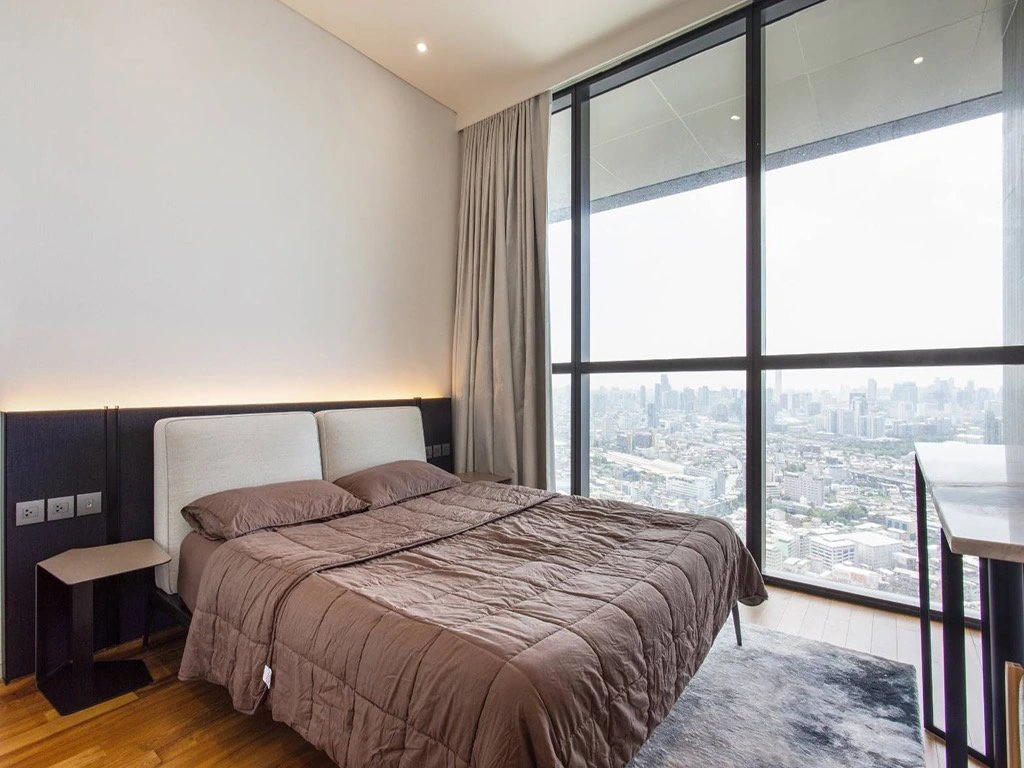
A convenient daytime location may feel different when you return in the evening. If practical, revisit the immediate surroundings during a period when you expect to be at home. Observe the entrance, neighbouring activity and the route back from transport. In the unit, listen in the bedroom and the place where you would work.
Use the same observations for each candidate rather than labelling a whole area quiet or busy. A side street, building orientation and individual room can change the experience. Bring the Bangkok condo viewing checklist to connect your neighbourhood findings with the apartment itself. These visits are personal checks, not a technical inspection or a promise about future conditions.
Turn the comparison into a focused viewing brief
For each shortlisted location, keep a short record under the same headings: essential journeys, walking route, everyday errands, home environment and unanswered questions. Mark must-have requirements first. A favourite outlook should not quietly cancel a journey that your household has already decided is impractical.
For example, a hypothetical household choosing between a river-facing home and a home near its preferred rail route can test both against the same work and school destinations. It need not declare one district better. It needs to establish which trade-offs it would willingly repeat each week.
Browse Teenee Property's Bangkok collection with that brief in hand, then share your preferred locations and daily requirements before arranging appointments. If you would like coordinated private transport between shortlisted luxury homes, see our private property viewing service; arrangements and availability are confirmed on request. A useful neighbourhood shortlist gives every subsequent visit a clear purpose.