
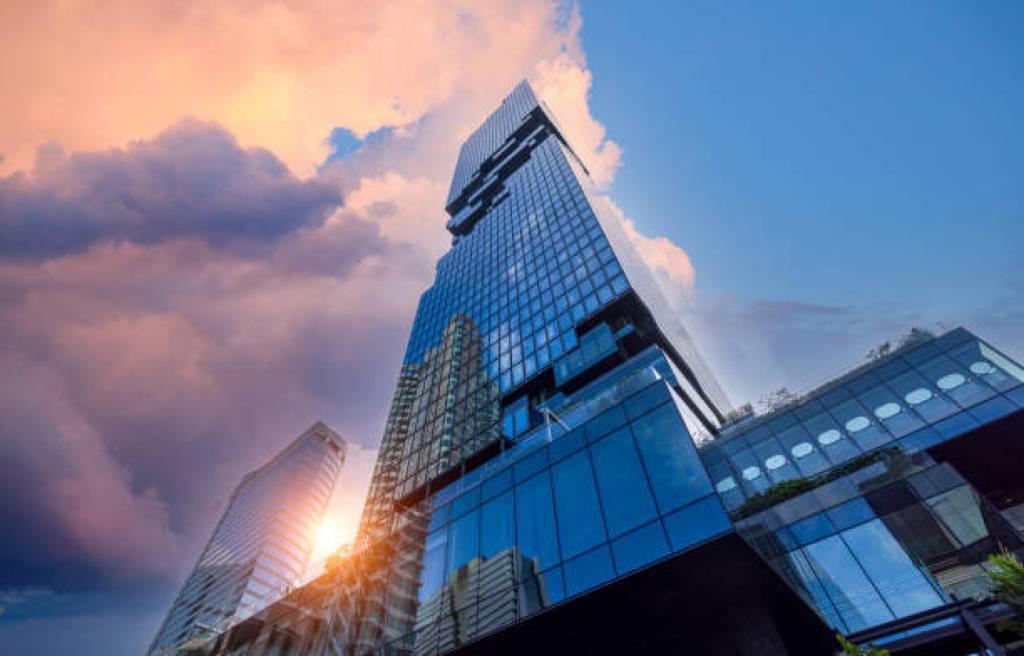
The COVID-19 pandemic did not merely slow down the global property market — it fundamentally reshaped buyer behavior, priorities, and design expectations. In Bangkok, one of Asia’s most dynamic real estate hubs, the transformation has been particularly visible in the ultra-prime and luxury segments.
Today’s buyers are not just purchasing square meters; they are investing in lifestyle ecosystems that integrate wellness, flexibility, privacy, and long-term resilience. The shift is structural rather than cyclical. Developers, architects, and investors have responded accordingly, redefining what “luxury” means in Thailand’s capital.
This article explores the new Bangkok luxury real estate trends that have emerged in the post-pandemic era, focusing on wellness-driven homes, larger living spaces, hybrid lifestyles, technology integration, and the growing importance of asset resilience.
Wellness-Centric Living: From Amenity to Core Concept
Before 2020, wellness facilities such as fitness centers, spas, and swimming pools were considered standard amenities in luxury condominiums. After COVID, wellness became the central design philosophy.
Buyers now prioritize air quality systems, hospital-grade filtration, touchless access, private lift lobbies, and low-density floor plans. Developments increasingly promote cross-ventilation, natural light optimization, and biophilic design elements that incorporate greenery and outdoor space into vertical living environments.
Bangkok’s high-end projects in areas such as Sukhumvit, Langsuan, and the Chao Phraya riverfront have introduced sky gardens, meditation decks, private wellness suites, and even in-residence spa treatment rooms. Developers understand that health security is now synonymous with luxury.
The concept of a home as a “safe sanctuary” has become permanent. Wealthy buyers want environments that reduce stress, enhance physical health, and provide protection against future disruptions.
Larger Spaces and the Return of Functional Layouts
One of the most noticeable shifts in Bangkok luxury real estate trends is the demand for larger units.
Before the pandemic, many buyers favored compact luxury units in central locations, particularly investors seeking rental yield. However, lockdowns and remote work exposed the limitations of smaller layouts. High-net-worth individuals began prioritizing space for home offices, private gyms, entertainment rooms, and multi-functional areas.
Developers responded by reintroducing expansive floor plans, often exceeding 200–300 square meters for prime units. Duplexes, penthouses, and units with large balconies have seen renewed demand.
Open-plan designs are now balanced with dedicated rooms for privacy and productivity. Soundproofing, flexible partitions, and dual-purpose spaces have become key selling points.
Space is no longer viewed as excess — it is seen as resilience.
Hybrid Living and Work-From-Home Integration
Hybrid work models are now a global norm. Bangkok’s luxury properties have adapted quickly.
High-speed fiber infrastructure, co-working lounges, private meeting rooms, and business centers inside residential developments are increasingly common. Some ultra-prime buildings now offer private office floors exclusively for residents.
For international investors and expatriates, Bangkok offers a strategic advantage. Compared to cities like Singapore and Hong Kong, luxury condominiums in Bangkok provide significantly larger spaces at lower entry prices while maintaining high construction quality. This makes hybrid living more accessible.
Buyers are no longer choosing between residential comfort and professional functionality — they expect both within the same property.
Privacy and Low-Density Developments
The pandemic heightened awareness of personal space and privacy.
Low-density buildings with fewer units per floor are increasingly favored. Private lift access, separated service entrances, and controlled visitor systems have become standard in the ultra-luxury segment.
This shift is particularly noticeable in central districts such as Sukhumvit, Langsuan, and Chidlom, where new projects emphasize exclusivity over volume.
Privacy has become a status symbol. In Bangkok’s post-COVID market, fewer neighbors often equates to higher value.
Rise of Ultra-Luxury and Trophy Assets
Interestingly, the pandemic accelerated the ultra-prime segment rather than weakening it.
High-net-worth individuals globally sought stable, lifestyle-oriented cities with strong healthcare systems and reasonable cost structures. Bangkok met these criteria.
The Thai capital offers world-class private hospitals, international schools, fine dining, and connectivity — all at a fraction of the cost of cities like Singapore or Dubai.
As a result, trophy assets — including riverfront penthouses and branded residences — have gained significant traction. Buyers are less price-sensitive and more focused on long-term capital preservation and lifestyle enhancement.
The definition of luxury has shifted upward. The market is polarizing between standard high-end units and ultra-exclusive assets.
Technology and Smart Living
Contactless living became essential during the pandemic and remains relevant.
Smart home systems now include facial recognition access, remote climate control, AI-driven lighting, and app-based building management. Residents can book facilities, manage deliveries, and communicate with concierge teams digitally.
Bangkok’s new luxury developments increasingly integrate full smart ecosystems rather than isolated gadgets.
Technology is no longer marketed as an extra feature; it is expected infrastructure.
Outdoor Space and Green Integration
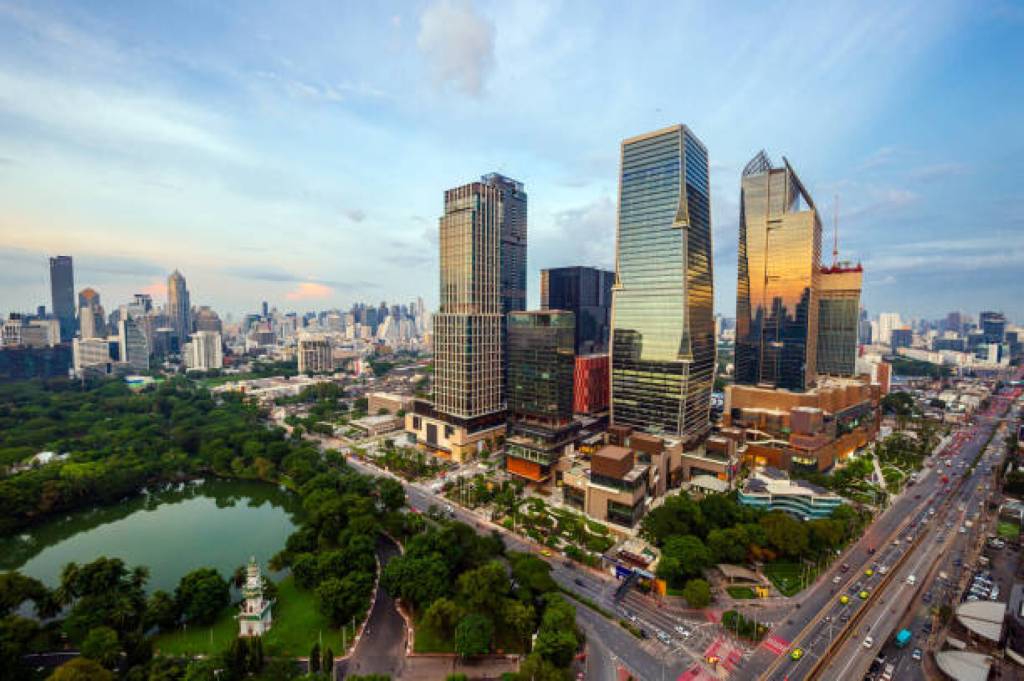
Balconies, terraces, and private gardens have gained renewed importance.
In high-rise environments, access to fresh air and private outdoor areas became psychologically crucial during lockdowns. Developers have responded with deeper balconies, rooftop lounges, and landscaped communal spaces.
Green-certified buildings and energy-efficient systems are also gaining popularity. Environmental sustainability aligns with the wellness narrative and appeals to globally minded investors.
Eco-conscious design is becoming a competitive advantage in Bangkok’s luxury segment.
Changing Investor Profiles
The profile of buyers has evolved.
While foreign investors remain active, there is a noticeable increase in Thai ultra-high-net-worth individuals purchasing premium properties as long-term residences rather than speculative investments.
International buyers from Asia, Europe, and the Middle East are also exploring Bangkok as a secondary base. Thailand’s lifestyle appeal, combined with competitive pricing, makes it attractive for diversification.
Unlike pre-pandemic cycles driven primarily by short-term capital gains, today’s buyers focus more on asset stability, lifestyle security, and long-term value.
Rental Market Evolution
Luxury rental demand has also shifted.
Corporate tenants now seek larger units with dedicated workspaces. Families relocating to Bangkok prioritize proximity to international schools, healthcare facilities, and green spaces.
Serviced residences have adapted by offering flexible lease terms and enhanced hygiene protocols.
While rental yields remain attractive compared to regional peers, the emphasis is now on tenant quality and lease stability rather than purely maximizing occupancy rates.
Resilience and Long-Term Growth
The post-COVID era reinforced the importance of resilience in property investment.
Bangkok benefits from diversified economic drivers including tourism, medical services, manufacturing, and regional business headquarters. Infrastructure projects such as mass transit expansions continue to enhance connectivity.
Luxury real estate in Bangkok is no longer viewed merely as an emerging market opportunity — it is increasingly perceived as a mature asset class with global relevance.
Investors are recognizing that Thailand’s capital offers a rare combination of affordability, lifestyle, and scalability in the luxury segment.
Conclusion: A Permanent Evolution of Luxury
Luxury real estate in Bangkok has not simply recovered from COVID — it has evolved.
The market now revolves around wellness, space, flexibility, privacy, technology, and sustainability. These factors are no longer temporary preferences; they define the new standard of high-end living.
As global uncertainty continues to shape investment strategies, Bangkok stands out as a city that has adapted quickly and intelligently.
For buyers and investors seeking long-term value, enhanced lifestyle, and strategic positioning in Asia, Bangkok’s luxury property market represents both security and opportunity.
The post-pandemic transformation has elevated expectations — and Bangkok has risen to meet them.