
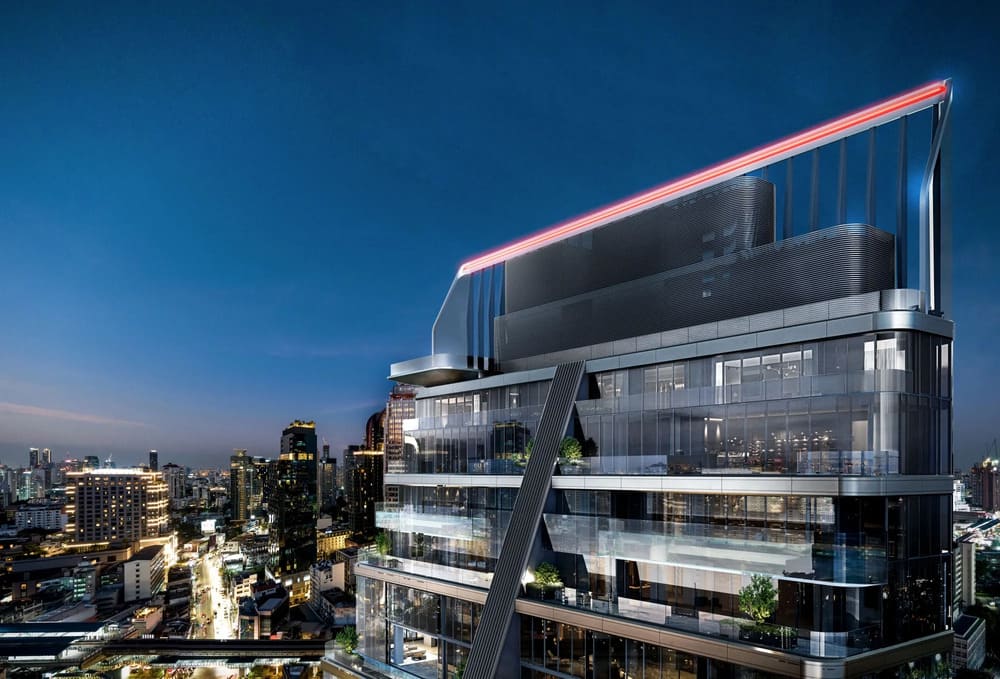
In 2026, Bangkok is no longer simply a vibrant Southeast Asian capital known for street food, temples, and nightlife. It has evolved into one of the most dynamic luxury property markets in the world.
International investors, high-net-worth individuals (HNWIs), and global entrepreneurs are increasingly turning their attention to Thailand’s capital as a strategic destination for wealth preservation, lifestyle enhancement, and long-term capital appreciation.
While cities like Singapore, Hong Kong, and Dubai have traditionally dominated Asia’s luxury real estate conversation, Bangkok is now emerging as a compelling alternative—offering premium living at comparatively accessible prices, strong infrastructure growth, favorable tax policies, and exceptional lifestyle value.
This article explores why Bangkok is becoming a global luxury property destination in 2026 and why international investors are increasingly choosing to invest in Bangkok real estate.
1. International Investors Are Driving Demand
A Strategic Gateway to Southeast Asia
Bangkok sits at the heart of Southeast Asia, a region projected to remain one of the world’s fastest-growing economic zones. Thailand’s central geographic position makes it a natural hub for regional business operations, manufacturing, logistics, and tourism.
For international investors from Europe, the Middle East, China, and Singapore, Bangkok offers:
-
Access to ASEAN markets
-
Political neutrality compared to regional tensions elsewhere
-
A mature property market with transparent ownership structures (for condominiums)
-
Strong rental demand driven by expatriates and corporate tenants
In 2026, the demand for luxury condominiums in prime districts such as Sukhumvit, Sathorn, Wireless Road, and Chidlom continues to grow, particularly for branded residences and ultra-luxury high-rise developments.
Wealth Migration & Lifestyle Investors
Global wealth migration trends show that more high-net-worth individuals are prioritizing lifestyle alongside investment returns. Bangkok excels in this dual offering:
-
International schools
-
World-class healthcare
-
Michelin-starred dining
-
Luxury retail experiences
Compared to Hong Kong, where political uncertainty and high costs have influenced capital outflows, Bangkok presents stability and diversification without sacrificing cosmopolitan living standards.
2. Infrastructure Development Elevating Property Values
One of the strongest drivers behind Bangkok’s luxury real estate boom is infrastructure modernization.
Expanding Mass Transit Network
Bangkok’s BTS Skytrain and MRT subway systems have expanded significantly over the past decade. By 2026:
-
New extensions connect suburban luxury zones to CBD areas
-
Travel times across the city have been dramatically reduced
-
Transit-oriented developments (TODs) are increasing in value
Properties within walking distance of BTS and MRT stations command premium pricing and strong rental yields.
High-Speed Rail & Regional Connectivity
Thailand’s high-speed rail project connecting Bangkok to regional economic corridors, including routes toward Eastern Economic Corridor (EEC) zones, enhances long-term capital appreciation potential.
This positions Bangkok as more than a national capital—it becomes a regional logistics and innovation hub.
Airport & Aviation Expansion
Suvarnabhumi and Don Mueang airports have expanded capacity, reinforcing Bangkok’s status as an international gateway. For global investors, connectivity is critical. Bangkok now offers direct routes to Europe, the Middle East, Australia, and major Asian financial centers.
Infrastructure growth directly supports luxury property Bangkok values, particularly in emerging prime districts.
3. Tax Advantages & Investor-Friendly Policies
When global investors compare markets, taxation plays a crucial role.
No Annual Property Tax Burden (Compared to Western Markets)
While Thailand has introduced land and building tax regulations, the effective tax rates remain relatively low compared to cities like London or New York.
There is:
-
No inheritance tax burden comparable to many Western jurisdictions
-
No capital gains tax structured in the same manner as in some developed markets
-
No annual wealth tax
Compared to Singapore, which imposes Additional Buyer’s Stamp Duty (ABSD) on foreign buyers, Thailand’s condominium ownership structure is relatively straightforward, allowing foreigners to legally own up to 49% of total unit space in a project.
Lower Entry Price for Ultra-Luxury
In 2026, prime luxury condos in Bangkok average significantly lower price per square meter than comparable properties in:
-
Singapore
-
Hong Kong
-
Dubai
This lower entry point offers higher potential upside while reducing downside risk exposure.
4. Lifestyle Advantage: The Ultimate Urban Balance
Luxury property buyers are no longer purely ROI-driven. They are seeking quality of life.
Healthcare Excellence
Thailand is globally recognized for medical tourism. Bangkok’s private hospitals rank among the best in Asia, attracting international patients for complex procedures at competitive prices.
For retirees and long-term residents, healthcare accessibility is a decisive factor when choosing where to invest.
International Education
Bangkok hosts top-tier international schools offering British, American, IB, and other global curricula. This appeals to expatriate families and regional entrepreneurs relocating headquarters.
Culinary & Retail Prestige
Luxury shopping districts such as Siam, Chidlom, and Phrom Phong continue to elevate Bangkok’s global profile. Premium malls, fine dining establishments, and exclusive clubs contribute to a cosmopolitan lifestyle at a fraction of the cost of cities like Dubai.
Bangkok delivers five-star living without five-star global pricing.
5. Comparing Bangkok with Singapore, Hong Kong, and Dubai
Bangkok vs Singapore
Singapore remains Asia’s financial powerhouse, but its property market is highly regulated and expensive. High stamp duties and cooling measures limit speculative upside.
Bangkok offers:
-
Lower entry cost
-
Fewer foreign ownership barriers (for condos)
-
Higher rental yield potential in select districts
Bangkok vs Hong Kong
Hong Kong has historically been Asia’s luxury property benchmark. However:
-
Limited supply
-
Extremely high prices per square meter
-
Geopolitical sensitivities
have made investors consider diversification.
Bangkok provides spacious luxury units, modern amenities, and attractive pricing while maintaining regional connectivity.
Bangkok vs Dubai
Dubai is known for tax-free income and ultra-luxury skyscrapers. However, its market can be volatile due to oversupply cycles.
Bangkok’s development pace is more measured. Supply in ultra-prime areas is limited, which helps support long-term value stability.
Additionally, Bangkok offers stronger organic rental demand driven by tourism, expatriates, and corporate housing needs.
6. Branded Residences & Ultra-Luxury Segment Growth
A defining trend of 2026 is the growth of branded residences in Bangkok. Global hospitality brands have entered the market, offering:
-
Concierge services
-
Hotel-managed facilities
-
Enhanced brand prestige
-
Higher resale liquidity
These developments appeal strongly to international buyers who associate branded residences with consistent quality standards.
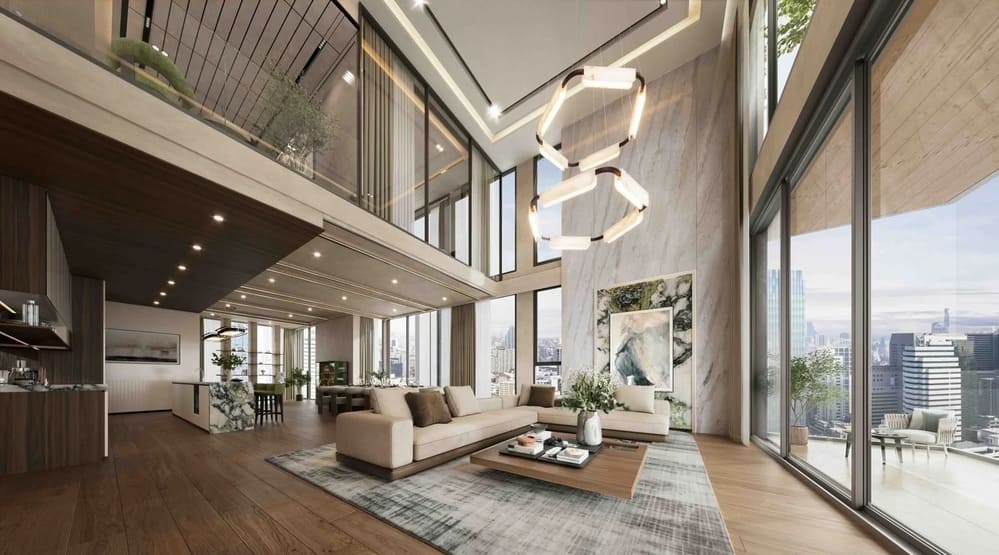
Luxury property Bangkok listings now regularly include penthouses, duplex sky villas, and ultra-private residences exceeding 400–600 sqm, competing with top-tier global cities.
7. Rental Yields & Investment Performance
Compared to mature markets, Bangkok offers attractive rental yields for luxury units—particularly in areas popular with expatriates.
Key demand drivers include:
-
Multinational corporations
-
Diplomatic communities
-
Regional headquarters
-
Digital entrepreneurs
While Singapore may offer stability, yields are often compressed due to high entry prices. Bangkok provides stronger yield-to-price ratios.
For investors looking to diversify portfolios geographically, investing in Bangkok real estate offers exposure to Southeast Asia’s economic expansion without the valuation pressures seen in more saturated markets.
8. Political & Economic Outlook in 2026
Thailand’s economic recovery and diversification strategies—including tourism, technology investment, and manufacturing—continue to reinforce Bangkok’s role as a regional powerhouse.
The government’s pro-investment stance, infrastructure spending, and efforts to attract foreign direct investment (FDI) strengthen long-term confidence.
As global investors seek safe but growth-oriented markets, Bangkok sits in a compelling middle ground:
-
More affordable than Singapore
-
Less politically sensitive than Hong Kong
-
More organically diversified than Dubai
Conclusion: Bangkok’s Luxury Market Is Entering Its Golden Era
In 2026, Bangkok is no longer an emerging contender—it is an established luxury property destination attracting serious global capital.
The city offers:
-
Competitive pricing compared to Asia’s traditional financial hubs
-
Expanding infrastructure
-
Favorable tax environment
-
Exceptional lifestyle quality
-
Strong rental fundamentals
-
Increasing international brand presence
For investors searching for diversification, capital growth potential, and lifestyle value, luxury property Bangkok opportunities stand out prominently.
The question is no longer whether Bangkok will join the ranks of Singapore, Hong Kong, and Dubai.
The real question is how long the price gap will remain before global demand fully closes it.
For forward-thinking investors, now may be the most strategic time to invest in Bangkok real estate.