
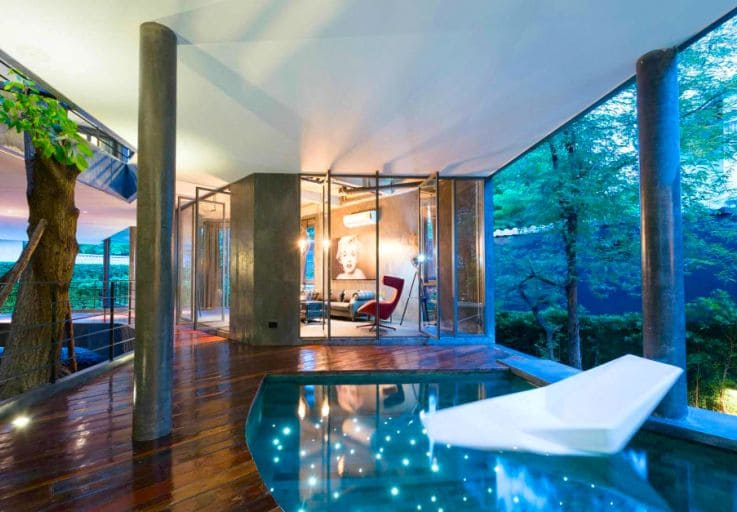
Over the past decade, Bangkok has evolved from an emerging property market into one of Asia’s most compelling destinations for luxury real estate investment. The Thai capital combines strong lifestyle appeal, competitive entry prices, expanding infrastructure, and growing international demand.
These factors make it particularly attractive for high-net-worth individuals seeking diversification and long-term capital appreciation.
Unlike cities such as Singapore, Hong Kong, or London, Bangkok still offers relatively accessible pricing in the ultra-prime segment. Investors can acquire spacious luxury residences in prestigious districts at a fraction of the cost of comparable properties in other global financial centers. At the same time, the city continues to attract expatriates, international entrepreneurs, digital professionals, and wealthy lifestyle buyers.
For investors looking to build a real estate investment portfolio in Bangkok, the key is to approach the market strategically. Successful portfolios combine prime locations, diversified property types, and a balance between rental income and long-term capital growth.
Understanding how to structure such a portfolio can turn Bangkok’s luxury property market into a powerful wealth-building tool.
Understanding the Bangkok Luxury Market
Before building a property portfolio, investors must first understand the structure of Bangkok’s luxury real estate market. Unlike many Western markets dominated by large single-family homes, Bangkok’s high-end residential sector is primarily composed of luxury condominiums.
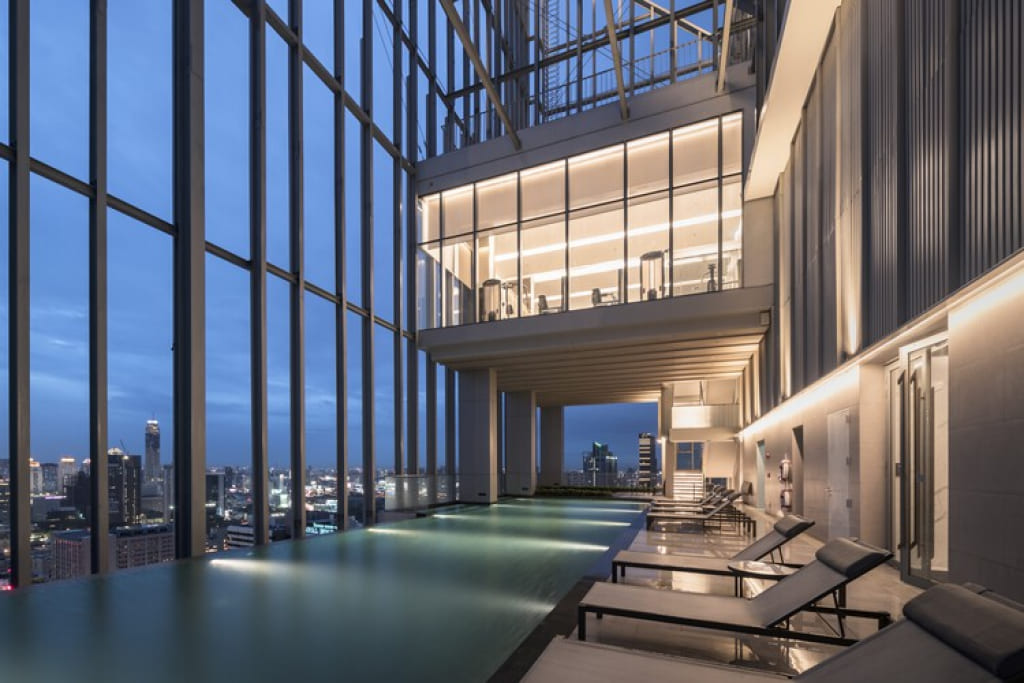
These condominiums are often located in prime districts with direct access to public transportation, international schools, five-star hotels, and business centers. Many developments feature resort-style amenities such as infinity pools, concierge services, private spas, and rooftop lounges.
Bangkok’s luxury market can generally be divided into three segments: prime luxury condominiums, ultra-luxury trophy residences, and lifestyle-oriented branded developments. Each segment attracts different types of buyers and offers varying investment characteristics.
Prime luxury condominiums tend to deliver stable rental demand and steady appreciation. Ultra-luxury properties often function as long-term wealth preservation assets. Branded residences frequently command higher premiums due to their association with internationally recognized hospitality brands.
A balanced investment portfolio often includes a mix of these property types.
Choosing the Right Locations
Location is the most critical factor in real estate investment, and this principle is particularly true in Bangkok’s luxury market.
Prime districts such as Sukhumvit, Langsuan, Chidlom, and the Chao Phraya riverfront remain the most desirable areas for high-end buyers and tenants. These neighborhoods offer convenient access to central business districts, luxury shopping centers, international schools, and premium lifestyle amenities.
Sukhumvit, for example, is known for its vibrant international community, extensive dining scene, and proximity to major transportation lines. Langsuan and Chidlom represent Bangkok’s ultra-prime residential enclave, located near Lumpini Park and surrounded by luxury hotels and elite retail destinations.
Riverfront developments offer a different type of luxury experience. These properties attract buyers seeking panoramic views, privacy, and resort-style living within the city.
Investors who focus on these prime areas are more likely to benefit from long-term value appreciation and consistent tenant demand.
Balancing Rental Yield and Capital Appreciation
A well-structured property portfolio balances two primary objectives: generating rental income and achieving capital growth.
Luxury properties in Bangkok can provide stable rental returns, particularly when located near international schools, embassies, and major business districts. Expatriate executives, diplomats, and corporate tenants often seek fully furnished luxury condominiums with flexible lease terms.
Rental yields in the luxury segment may be slightly lower than mid-market properties, but they tend to attract higher-quality tenants and experience fewer vacancies.
Capital appreciation, on the other hand, is often driven by long-term urban development, infrastructure expansion, and limited supply in prime districts. Areas near major mass transit lines or undergoing redevelopment often experience the strongest price growth.
Successful investors analyze both factors when selecting properties. Some units are chosen primarily for rental income, while others are acquired for long-term appreciation potential.
Diversifying Property Types
Diversification is essential for building a resilient property portfolio. Investors should consider combining several types of luxury properties to reduce risk and enhance overall performance.
One approach is to include a mix of standard luxury units and trophy assets. Standard luxury condominiums can provide steady rental income and liquidity, while ultra-prime penthouses or branded residences may appreciate significantly over time.
Another strategy is to diversify across different neighborhoods within Bangkok’s prime districts. Each area offers distinct lifestyle characteristics and attracts different tenant profiles.
Some investors also diversify unit sizes within their portfolio. Smaller luxury units may appeal to young professionals or expatriates, while larger residences attract families and long-term tenants.
This variety helps ensure stable demand across changing market conditions.
Understanding Foreign Ownership Regulations
Foreign investors can legally purchase condominium units in Thailand, provided that foreign ownership within a building does not exceed 49 percent of the total unit area. This legal framework has made Bangkok one of the most accessible property markets in Asia for international buyers.
Transactions must typically be conducted using foreign currency transferred into Thailand. This process allows the investor to obtain documentation confirming that the funds originated outside the country.
While foreigners cannot directly own land in Thailand, condominium ownership remains straightforward and secure when handled through proper legal channels.
Many investors work with specialized legal advisors and property consultants to ensure compliance with Thai property regulations and taxation requirements.
Leveraging Bangkok’s Rental Demand
Bangkok’s strong international presence contributes to a healthy luxury rental market. Multinational corporations, diplomatic missions, and international organizations regularly relocate employees to the city.
These tenants often prefer luxury condominiums with modern amenities, central locations, and easy access to transportation. Developments near BTS Skytrain or MRT subway stations tend to be particularly attractive.
Fully furnished units with high-quality interior design often achieve higher rental rates and shorter vacancy periods. Professional property management can further enhance rental performance by maintaining the property and handling tenant relationships.
For investors building a portfolio, rental demand provides a steady income stream that supports long-term investment strategies.
Long-Term Value of Lifestyle Real Estate
Luxury real estate in Bangkok is not driven solely by financial metrics. Lifestyle appeal plays a significant role in property demand.
The city offers world-class dining, luxury shopping, renowned healthcare facilities, and vibrant cultural experiences. Its tropical climate and hospitality culture also contribute to a relaxed lifestyle that attracts international residents.
Properties located near lifestyle hubs often outperform those in purely business-oriented districts. Access to parks, wellness centers, and entertainment districts enhances both tenant demand and resale value.
This connection between lifestyle and property value makes Bangkok particularly appealing for investors who also plan to use their properties as personal residences or holiday homes.
Timing the Market
While real estate is typically a long-term investment, understanding market cycles can improve investment outcomes.
Bangkok’s property market experiences periodic supply waves when multiple new developments are completed simultaneously. Investors who purchase early in the development cycle often secure better pricing before projects reach completion.
Pre-construction purchases sometimes offer lower entry prices and flexible payment structures. However, investors should carefully evaluate developer reputation, project location, and long-term market demand before committing to such investments.
Experienced investors often maintain a long-term perspective, focusing on prime locations and high-quality developments that will remain desirable regardless of short-term market fluctuations.
Professional Portfolio Management
Managing multiple properties requires careful planning and oversight. High-net-worth investors often work with property managers who handle tenant relations, maintenance, and financial reporting.
Professional management ensures that properties remain well maintained and that rental income is collected efficiently. It also allows investors to focus on portfolio expansion and strategic decisions.
Some investors also partner with local real estate advisors who provide market insights and identify emerging opportunities in the luxury segment.
This combination of professional expertise and strategic planning can significantly enhance portfolio performance.
Future Outlook for Luxury Property Investment in Bangkok
Bangkok’s long-term economic and infrastructure development continues to strengthen its property market. Expanding mass transit networks, urban redevelopment projects, and growing international business activity are supporting sustained demand for prime residential real estate.
The city’s competitive pricing compared to other Asian financial hubs also positions it as an attractive destination for global investors seeking diversification.
Luxury properties in prime districts are likely to remain limited in supply due to land scarcity and zoning restrictions. This scarcity supports long-term value appreciation.
As Thailand continues to attract international talent, entrepreneurs, and lifestyle buyers, Bangkok’s luxury residential sector will remain an important asset class for wealth preservation and growth.
Conclusion
Building a successful luxury property portfolio in Bangkok requires more than simply purchasing high-end residences. It involves careful selection of prime locations, diversification across property types, and a balanced focus on rental income and capital appreciation.
Investors who understand the dynamics of Bangkok’s luxury market can benefit from strong lifestyle demand, competitive entry prices, and long-term growth potential. By combining strategic acquisitions with professional management, high-net-worth individuals can transform Bangkok real estate into a powerful component of their global investment portfolios.
For those seeking stability, lifestyle value, and long-term appreciation, real estate investment in Bangkok offers one of the most compelling opportunities in Asia’s luxury property landscape.