
Bangkok condo prices appear in listings, agent comparisons and market reports, but those figures do not all describe the same thing. An advertised price is a request; a completed sale records a particular transaction; a price index tracks change across a defined sample. Before deciding whether an apartment looks expensive or good value, establish which kind of evidence you have and how closely it relates to the unit you are considering.
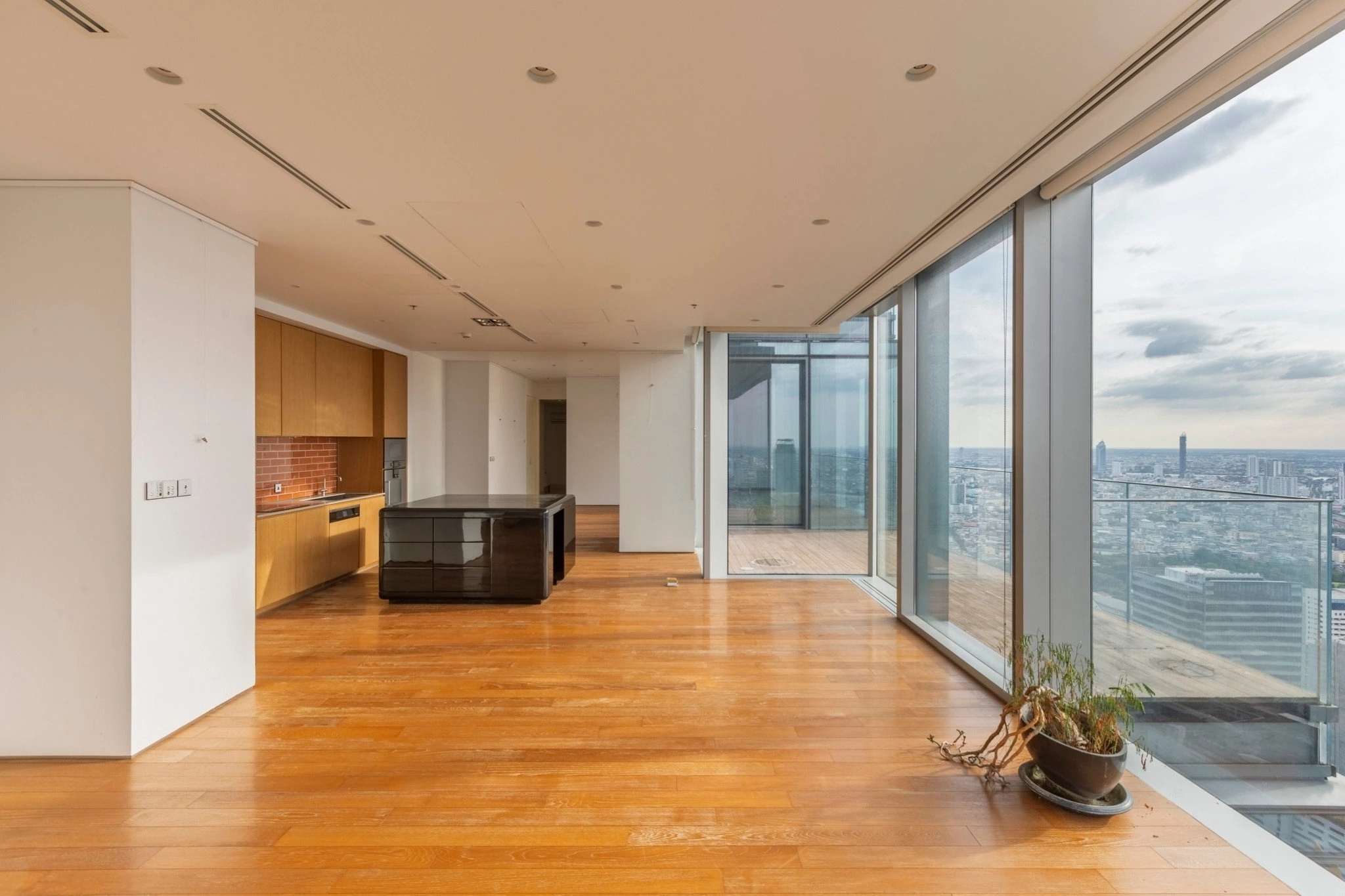
Label the figure before comparing it
Start every comparison with a description of the number. Is it the current asking price, an earlier asking price, a reported completed-sale price or an appraisal? Record the source, date and unit reference alongside it. An advertisement disappearing does not, by itself, establish that a sale completed or reveal the price paid.
For a reported sale, ask what supports the figure, when the transaction occurred and what the amount included. If the evidence is unavailable, keep it labelled as an unverified report. For an appraisal, identify its date, purpose and scope. Do not relabel either a valuation opinion or an asking price as a completed transaction.
Keep a seller's reduction in perspective, too. A reduction from an earlier asking price shows a change in that seller's request. It does not establish an equivalent discount to independently assessed market value.

Build a comparison around genuinely similar apartments
Start with units in the same building where suitable evidence exists, then widen the search carefully. Record size, layout, floor, outlook, condition, fit-out and the date of each observation. Identify whether the example is a completed resale or a developer offering, and have the ownership or tenure terms checked before treating two opportunities as equivalent.
Look for repeated advertisements for the same apartment. Matching photographs, area and floor are reasons to investigate a possible duplicate, not proof that you have several independent comparables. Keep a single unit record with its different sources until the identity is clarified.
Use our Bangkok condo viewing checklist to examine differences that a price list cannot show. A similar bedroom count does not establish equivalent usable space or condition. If the available examples differ substantially, explain those differences instead of calculating a confident-looking average.
Calculate price per square metre without losing the total
Divide the stated price by the stated area, keeping the currency and area basis consistent. Confirm what the area figure represents and where it comes from. Do not silently substitute a measurement from a marketing drawing for a differently defined area in the property documents.
The following figures are hypothetical arithmetic examples, not Bangkok market observations or prices for the properties pictured:
| Example | Asking price | Stated area | Calculated asking price/m² |
|---|---|---|---|
| Apartment A | THB 10,000,000 | 100 m² | THB 100,000 |
| Apartment B | THB 12,000,000 | 120 m² | THB 100,000 |
The same rate per square metre leaves a THB 2,000,000 difference in the total asking price. It also says nothing about whether the extra space is useful to you. Compare the actual arrangements with our condo floor-plan guide. Keep confirmed repair or furnishing quotations separately; do not assume an arbitrary renovation allowance makes two homes equivalent.
Read the Bank of Thailand index as market context
The Bank of Thailand's RPPI technical paper explains that its residential property price index uses mortgage data from commercial banks and specialised financial institutions. Appraisal prices serve as proxies for selling prices. The method adjusts for property characteristics, and the published indices use a three-month moving average.
The condominium series covers Bangkok and its vicinity. It is not a register of every condo sale, nor a dedicated index of a particular luxury building. This distinction matters when comparing a specific apartment with a broad market trend.
As a dated example, the BOT table checked on 14 November 2026 showed a September 2026 condominium index of 204.2, with 2011 equal to 100; the table was updated on 31 October 2026. The 204.2 is an index level, not a baht-per-square-metre price. It cannot be inserted into a unit valuation as a selling price, and it does not establish how much an individual owner's apartment has gained or lost.
Check what a market report calls a sale
Read the definitions behind a headline. In its 26 August 2026 Bangkok condominium report, Knight Frank defines its launch-period sales rate using reservations recorded within the quarter of launch. That is a specific measure of newly launched projects, not evidence of completed resale prices for your shortlisted building.
For any report, note the observation period, geography, property segment and whether a price means an ask, appraisal or completed transaction. Check whether an average describes only new launches or a wider stock of homes. Two reports can differ because they measure different groups; neither should be applied to your apartment without checking the fit.
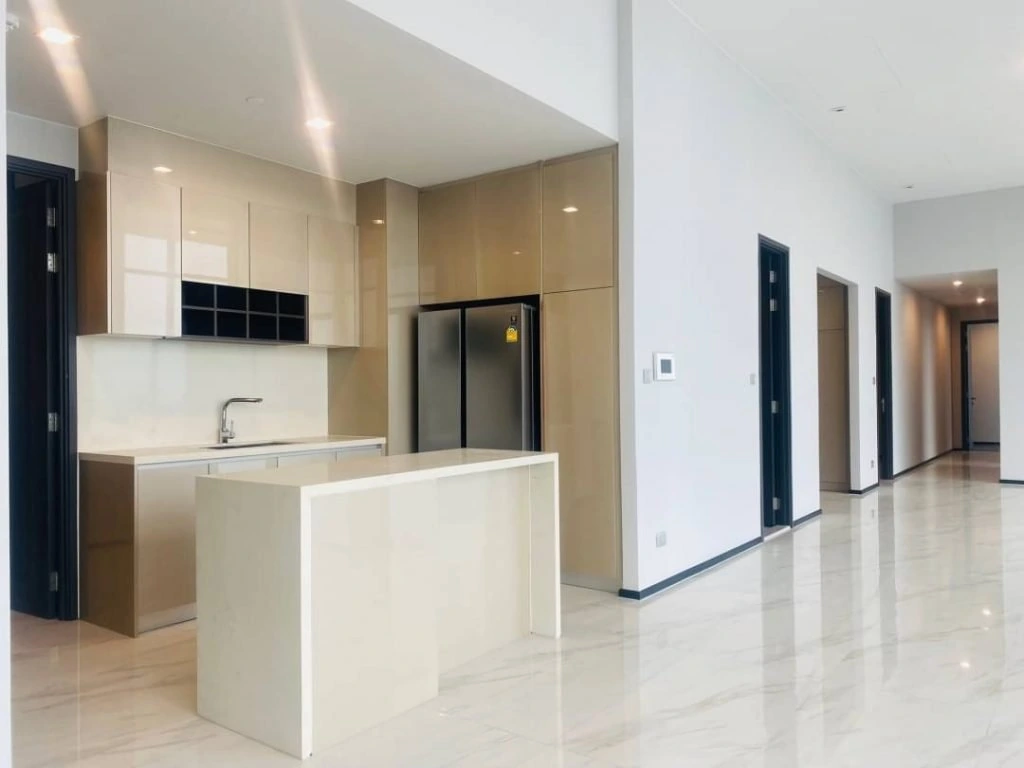
Use the evidence to test a price explanation
Ask the person explaining the price to identify the closest examples and their limitations. Which are documented sales, which are current competing asks, and which details make them comparable? Keep unsupported figures outside the verified group. Where the evidence is thin, recognise the uncertainty rather than inventing a precise adjustment for a view, floor or finish.
For a purchase decision, consider obtaining a property-specific assessment from an appropriately qualified valuer and independent advice on transaction terms. Use our second-viewing guide to resolve physical questions affecting the comparison. A broad index or attractive photograph cannot complete that work.
Browse the Teenee Property collection and request current details for your shortlist. Confirm the asking price, area basis, inclusions and availability for each unit. A useful comparison makes the evidence and its limits visible before a headline number influences your decision.