
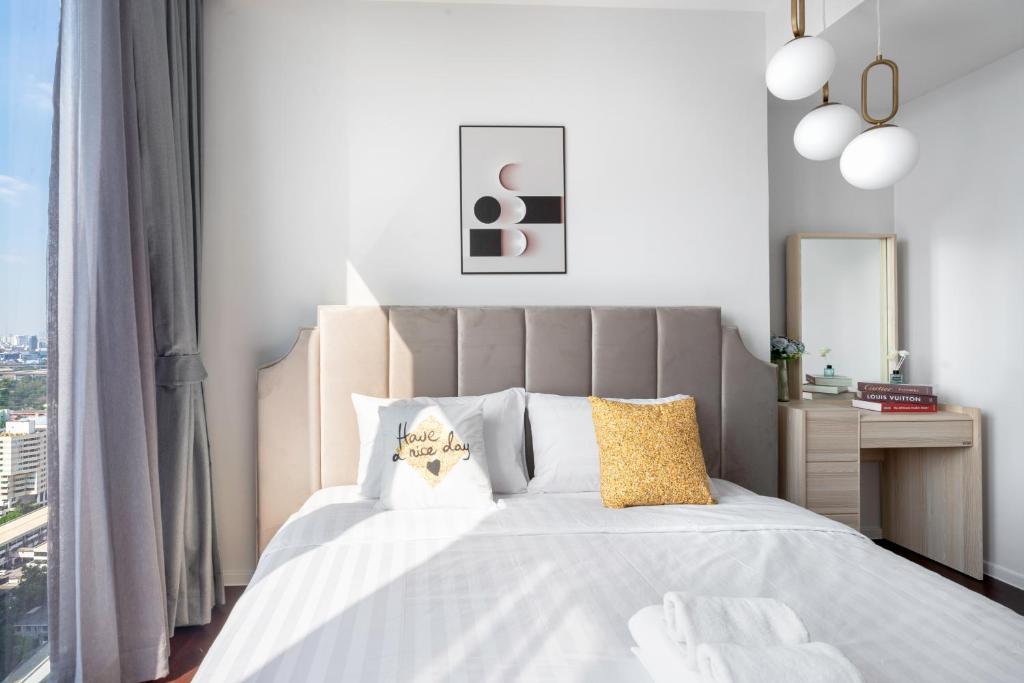
Luxury real estate in Bangkok has moved beyond the traditional concept of ownership as a passive investment. For today’s high-end buyers, property is increasingly evaluated as a lifestyle asset—something to be actively used, experienced, and integrated into daily life rather than held solely for capital appreciation.
This shift reflects broader changes in how wealth is deployed and how value is defined in a modern, globally mobile world.
Bangkok’s appeal lies not only in its pricing advantage or architectural ambition, but in its capacity to support real, everyday luxury. Buyers are choosing properties that enhance how they live, work, and recover, treating their residences as platforms for well-being, productivity, and personal expression. In this context, luxury property becomes an extension of lifestyle strategy rather than a static store of value.
From Occasional Use to Primary Living Base
Historically, many luxury properties in Bangkok were purchased as secondary homes or occasional residences. While this pattern still exists, an increasing number of buyers are positioning Bangkok as a primary or semi-primary base. Improved infrastructure, world-class healthcare, international education, and lifestyle depth have made long-term living both practical and appealing.
This shift influences how buyers evaluate properties. Floor plans must support daily routines, not just short stays. Storage, acoustics, workspace integration, and comfort over extended periods matter more than dramatic first impressions. Developers who understand this usage-based mindset are designing residences meant to be lived in fully, not simply admired.
Flexibility as the New Luxury Currency
One of the defining characteristics of lifestyle-driven ownership is flexibility. Luxury buyers value homes that adapt to changing needs, whether accommodating remote work, extended family visits, or periods of frequent travel. Bangkok’s top-tier residences increasingly reflect this demand through modular layouts, adaptable rooms, and service infrastructures that support lock-and-leave living.
Flexibility also applies to how properties are monetized. Some buyers alternate between personal use and selective leasing, viewing rental income as a byproduct rather than a primary goal. Bangkok’s strong demand for high-quality rentals allows owners to maintain asset performance without compromising personal access.
Services That Extend Beyond Convenience
Service integration is central to the concept of luxury as a lifestyle asset. Concierge support, wellness programming, maintenance services, and hospitality-style management reduce friction and enhance daily living. For buyers accustomed to seamless service environments, these features transform ownership into an experience rather than a responsibility.
Bangkok’s strength in hospitality gives it a natural advantage in this area. Many luxury residences draw from hotel management expertise, ensuring consistent standards and responsive service. This operational quality directly influences how often and how comfortably owners use their properties.
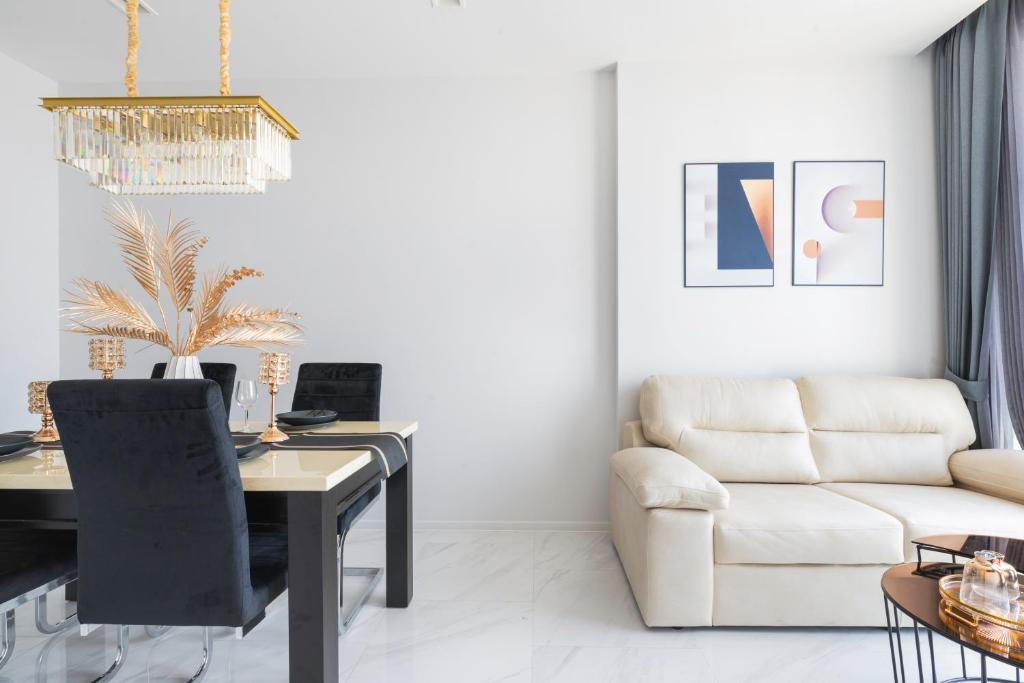
Emotional Return on Investment
Lifestyle-driven buyers often speak about emotional return rather than financial yield. Their property delivers value through comfort, inspiration, and peace of mind. In Bangkok, this emotional return is amplified by the city’s energy, cultural richness, and human warmth, creating a sense of belonging that encourages frequent use.
Homes that offer views, natural light, and thoughtful design foster emotional attachment. This attachment reinforces long-term ownership, reducing turnover and contributing to market stability at the luxury level.
Designing for Daily Enjoyment
Developers responding to this shift are prioritizing livability over spectacle. Kitchens are designed for real cooking, bathrooms for wellness routines, and living areas for extended use rather than formal entertaining alone. Materials are selected for durability and comfort as much as for visual impact.
Outdoor spaces, whether balconies or shared gardens, play a crucial role in daily enjoyment. In a dense city, access to private or semi-private outdoor environments significantly enhances quality of life and encourages residents to engage more deeply with their homes.
Key elements that define luxury property as a lifestyle asset include:
• Layouts that support long-term daily living
• Flexible use scenarios for work and leisure
• Integrated services that reduce ownership friction
• Emotional comfort derived from design and environment
• Strong rental demand enabling optional monetization
A More Sustainable Luxury Model
Viewing luxury property as a lifestyle asset creates a more sustainable market. Owners who actively use their residences invest emotionally as well as financially, encouraging better care, longer holding periods, and deeper engagement with the community. This dynamic supports stable pricing and elevates overall market quality.
Bangkok’s luxury real estate sector is increasingly aligned with this model. As buyers seek meaning and usability alongside prestige, properties that deliver lived value will continue to define the upper tier of the market.